新闻编辑室
Proposed US rule barring China science collaboration sparks outcry from US scientists_我的网站

A |
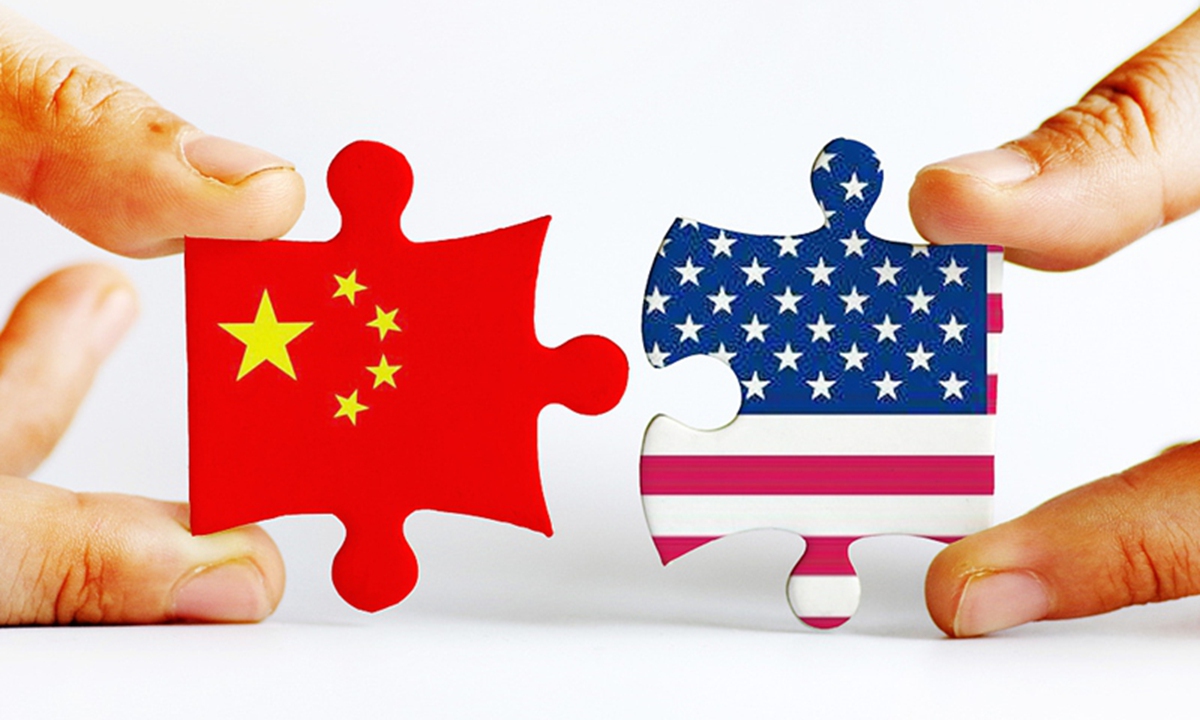
China US Photo:VCGAmerican scientists have voiced opposition to a proposed rule which seeks to ban federal funding for US science collaboration with China, saying that it would instead hurt US interest, the Washington Post reported on Tuesday. Chinese experts also warned that the slew of US restrictions on China-US scientific cooperation is unlikely to deal a fatal blow to China's scientific development, but could instead backfire on the US.
The proposed Office of Management and Budget (OMB) rule, set to take effect in December, would mark one of the biggest overhauls of US science funding in decades, giving political appointees greater authority over grant awards previously guided by scientific peer review and requiring that they "advance the President's policy priorities," according to the Washington Post.
It would also effectively expand the 2011 Wolf Amendment, which bars scientists from using NASA funding for bilateral collaborations with China, to all federal agencies and scientists receiving federal funds, marking the largest break in US-China scientific engagement in decades, the US media outlet reported.
So far, the proposed rule has garnered nearly half a million public comments, many from scientists and leading US science bodies. A Washington Post analysis of 50,000 of those comments found that around 88 percent were negative.
The rule, initially set to take effect in October, was pushed back to December after a bipartisan stopgap funding bill temporarily halted its adoption. Unlike the Wolf Amendment, the rule does not require congressional approval to take effect.
"I do think there are still members of Congress who think we have a monopoly on knowledge. They think we're still in the Cold War Soviet era ... where we were ahead in most areas of science and technology. That is not the case with China. We are no longer the leader in many areas of science," said Tobin Smith, senior vice president for government relations and public policy at the Association for American Universities, which advocates on behalf of leading US research universities, per the Washington Post.
Scientists warn that the rule risks subjecting long-term scientific research to four-year political cycles. "We will not succeed if with every new administration we are ping-ponging back and forth about priorities," the American Association for the Advancement of Science said in a blistering comment, urging the administration to withdraw the rule. "Fast-tracking such profound changes ... hands an easy victory to nations like China," it said, the Washington Post reported.
This reflects a fundamental divide between the US government and the scientific community over how science should develop, Wang Yiwei, a professor at Renmin University of China's School of International Studies, told the Global Times. He noted that politicians tend to believe that suppressing China as a competitor would allow the US to preserve its market dominance and technological edge.
Scientists, however, tend to follow a different logic, as scientific progress depends on openness, exchanges and collaboration. If science and technology are driven solely by competition and private capital, with the ultimate goal of maintaining technological monopolies, this could create greater risks and ultimately undermine US interests as well, Wang said.
The proposed rule change is the latest salvo in a broader battle in Washington over how to respond to China's rise as a scientific superpower. In July, the US National Science Foundation (NSF) also moved to ban collaborations between scientist it funds and many Chinese research institutions and their employees, according to Science magazine.
Liu Shaoshan, director of the Center for Embodied AI at the Shenzhen Institute of Artificial Intelligence and Robotics for Society and a former US-based researcher, told the Global Times in a previous interview that the NSF's new proposed rules created a "talent wall," arguing that restrictions based on nationality, institutional affiliation, and research partnerships could reduce the global talent pool available to the US, weaken its ability to attract leading scientists, and slow scientific innovation.
Liu also said scientific advancement relies not only on discovery but also on the exchange, validation, and dissemination of knowledge.
Wang also said China has built significant strengths through its vast pool of scientists and engineers, complete industrial chains and massive application scenarios, while increasingly moving from application-oriented innovation toward original research. Against this backdrop, US technological blockades and restrictions on cooperation are unlikely to halt China's progress, but could instead isolate American scientists from China's latest research and collaboration opportunities. Such an approach could also prevent the two countries from leveraging their respective strengths and ultimately undermine US competitiveness, Wang said.
。 外交战线战火已经点燃!五十国联手织就一张巨大的包围网,打算把俄罗斯死死困在国际舞台之外。万万没想到,一贯带头冲锋的美国直接选择隐身。不到二十四小时,联合国安理会,中方果断出手,一记重锤直接砸碎西方的围剿布局,整个博弈局面瞬间反转! Z 所有人都看得明白,过去但凡要发动大规模外交施压,美国永远站在最前面,招呼一众盟友集体发声。

B | 可这一回,画风彻底变了。

C | 冲锋陷阵的,换成了欧洲。 欧洲拉上亚太一众伙伴,凑齐五十国阵容,高调抛出联合声明。表面上是谴责战场行动,真实目的,是想用人海战术抢夺国际舆论制高点。他们想要强行给冲突盖棺定论,堵住所有谈判通道,逼迫俄罗斯单方面妥协退让。 最耐人寻味的,就是美国的缺席。

D | 如今美国到处起火,中东要布局,亚太不能松懈,国内政坛还纠缠不休。耗费精力牵头搞大规模多边联名,对当下的美国来说得不偿失。双边交易、利益置换,才是它更偏好的玩法。 美国打得一手如意算盘。

E | 把对抗俄罗斯的重担甩给欧洲,自己躲在幕后观望。欧洲能扛住压力,美国就坐享其成。一旦欧洲顶不住崩盘,美国再跳出来重新入局,借机漫天要价。进可攻,退可守,主动权牢牢攥在自己手心。 但欧洲,根本没有退路。 战火就在欧洲家门口燃烧。高昂的能源账单、源源不断涌入的难民、社会内部持续撕裂,所有苦果全部由欧洲吞下。美国可以远隔大洋隔岸观火,欧洲却无处可逃。 这份五十国声明,本质上是欧洲的一场豪赌。对内安抚国内躁动的民意,对外摆出姿态,更是演给美国看:就算你不上,我们照样能扛住对俄前线。 光鲜的外交表演之下,藏着致命短板。欧洲能喊出慷慨激昂的口号,却拿不出足够的军备与物资。真正维持前线消耗,依旧离不开美国的鼎力支撑。

F | 一纸联合声明,改变不了战场上的分毫态势。

G | 欧洲急于借着五十国的声势,构建非黑即白的对抗叙事,试图裹挟整个国际社会选边站队。就在这套舆论攻势达到顶峰的紧要关头,安理会会场,中方直接亮剑。 中方当场直言,冲突持续升级,人道主义灾难愈演愈烈,现状令人深感痛心忧虑。当众抛出明确信号,呼吁各方全力推动局势降温,打开和谈大门,追根溯源寻找化解危机的出路。 很多人只看到几句呼吁和平的表态,却没有读懂这一招的杀伤力。 西方企图利用联合国这个多边平台,把它改造成为地缘斗争的擂台。拉拢大批国家联名施压,回避冲突复杂的历史经纬,单纯依靠数量优势进行道德审判。一旦这种风气泛滥,多边主义将彻底名存实亡。 中方不站队、不结盟,拒绝卷入集团对抗。

H | 直接戳破西方一手编织的舆论谎言,直白告诉全世界:单方面施压换不来和平,无休止对抗只会带来更多流血牺牲,谈判桌才是唯一出路。硬生生撬开已经几乎焊死的斡旋窗口,直接摘掉五十国声明抢占的道义高地。 俄罗斯同样抓住这个机会,发动舆论反击。俄媒大肆渲染美国缺席的细节,全力放大美欧之间的裂痕。莫斯科的算盘十分清晰,刻意渲染欧洲盲目激进,反衬美国的现实理性,以此分化西方阵营,抢夺战略主动权。 必须厘清关键事实:中方安理会行动,和俄方舆论造势不存在任何私下串通。但在现实博弈当中,两者形成了奇妙的对冲效果。 中方站在多边主义道义高度,瓦解欧洲的围剿叙事。俄方不断放大美欧内部矛盾,撕开西方阵营的裂口。

I | 双重冲击之下,这份声势浩大的五十国联合声明,瞬间失去战略支点,沦为一场轰轰烈烈的纸面狂欢。 接下来整个俄乌棋局走向,全部捏在美国的手上。

J | 倘若美国继续撒手,任由欧洲独自硬扛对俄博弈,欧洲实力不足的短板很快暴露,将会陷入进退维谷的绝境。如果美国只是暂时蛰伏,等待有利时机再度下场,欧洲尚有调整政策的回旋余地。 无论事态如何演变,欧洲这一轮贸然冲锋,已经把自身外交缓冲空间压缩到极致。 再多国家签字的纸面文件挡不住炮火,再热闹的外交造势,也止不住前线的流血。中方在风暴中心果断出手,就是要在全世界疯狂鼓吹对抗的时候,死死守住政治解决这最后一道防线。 喧嚣终将散去,真正决定结局走向的,永远是前线真实的战场态势。返回,查看更多。
Current article:http://www.jiubengtaibingpengou.pics/news/20260826_892.html
Published on:21:58:43