
余罪
速来!即日起中刮刮乐送双色球啦!_我的网站

A |
What explains China's growing appeal?
For many developing countries, China offers a practical development partnership centered on infrastructure, investment, industrialization, technology transfer and trade. Rather than prescribing a single pathway to modernization, it has generally emphasized allowing countries to pursue development in line with their national priorities.
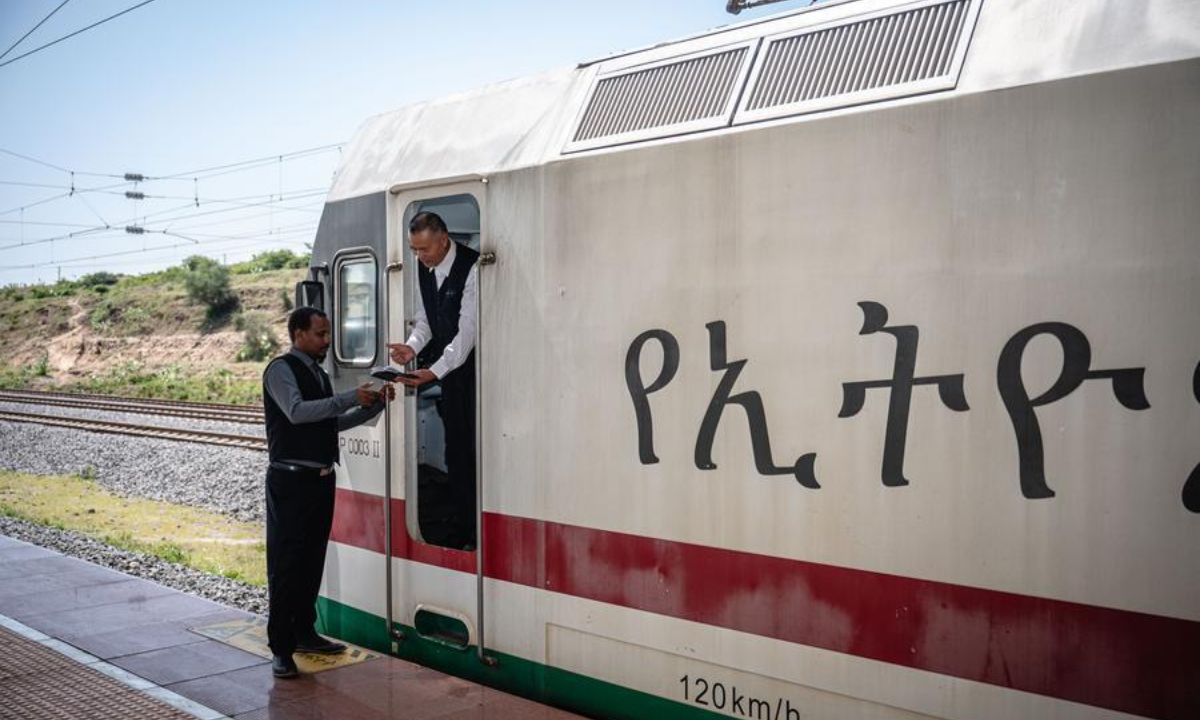
One reason China's influence has grown is that its development model is highly visible. From Ethiopia's railways to Pakistan's power plants, Chinese-financed projects address everyday development challenges by improving transport, energy security and connectivity. Through the Belt and Road Initiative, China has mobilized nearly 1 trillion U.S. dollars in infrastructure investment, producing projects that citizens can see, use and associate with economic progress.
The distinction lies not only in the scale of investment but also in the evolving priorities of development cooperation. While many Western partners have increasingly emphasized economic security, strategic de-risking, private-sector mobilization and governance reform, China has combined large-scale investment in physical infrastructure with technology transfer, industrial cooperation and human capital development.
At the same time, China has actively promoted trade by expanding market access, including granting zero-tariff treatment to many least-developed countries, deepening currency-swap arrangements, and encouraging the use of local currencies in cross-border trade. Together, these measures seek to strengthen economic connectivity, reduce transaction costs and exchange-rate risks, and create new opportunities for developing countries to integrate into regional and global value chains.
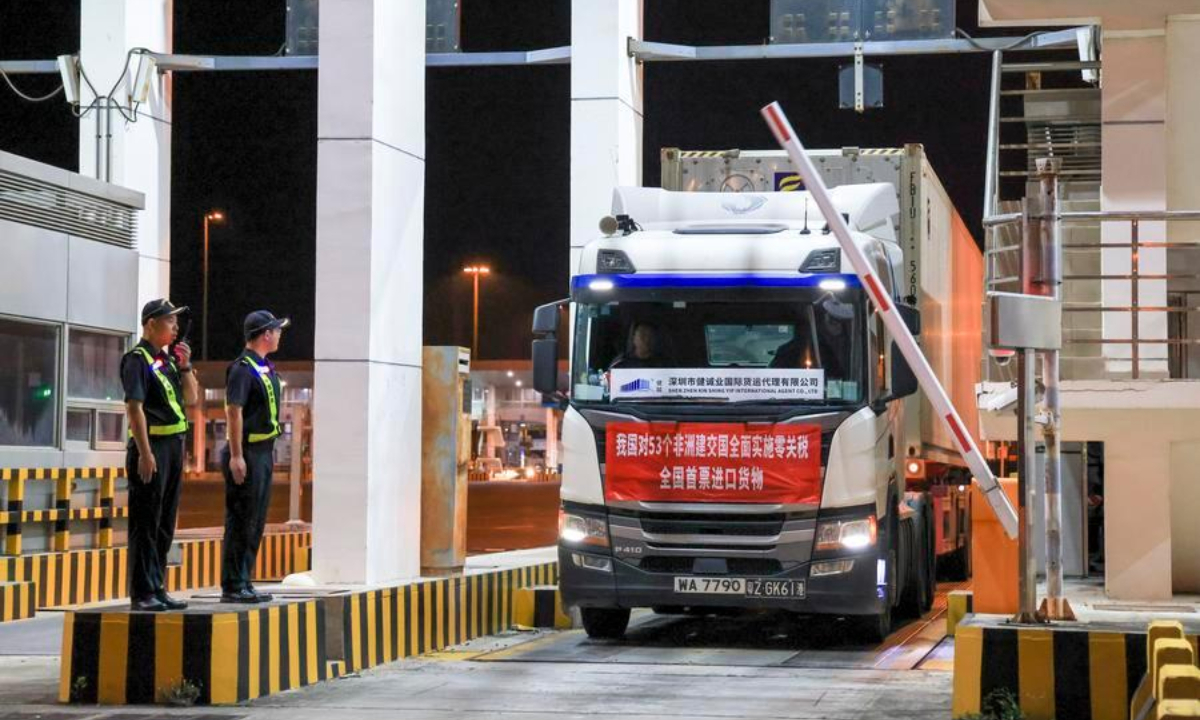
This integrated approach has produced tangible improvements in productivity, connectivity and local capacity, reinforcing perceptions of China as a long-term development partner.
Equally important is the philosophy underpinning China's engagement. Beijing consistently emphasizes sovereignty, mutual respect and non-interference, maintaining that every country should determine its own political and development path. For many governments across the Global South, this approach is a partnership based on equality rather than political conditionality, allowing them greater policy space to pursue domestic development priorities.
Diplomatic style has also influenced perceptions. Through mechanisms such as the Forum on China-Africa Cooperation and regular engagement with Pacific Island countries, China has committed itself to equality and shared development. For many governments in the Global South, that sense of respect and recognition is not merely symbolic -- it contributes to long-term political trust.
Perhaps the most important nuance is this: the Global South is not becoming anti-American; it is becoming strategically pragmatic. Its foreign policy decisions are increasingly guided by national interests, economic opportunity, and development priorities rather than Cold War-style geopolitical alignment.
The Global South's primary ambition is neither ideological nor geopolitical -- it is developmental. Governments want to create jobs, eliminate poverty, modernize infrastructure, strengthen industrial capacity and improve the quality of life for their citizens. China's transformation over the past four decades, from lifting hundreds of millions of people out of poverty to becoming a global leader in infrastructure, manufacturing and technology, has demonstrated what sustained long-term planning can achieve. Consequently, many developing countries are looking to China not as a model to replicate wholesale, but as a development partner from which they can learn, cooperate and pursue shared prosperity while preserving their own policy autonomy.
This contrast is also reflected in broader policy priorities. At a time when many Western governments are increasingly emphasizing tariffs, export controls, technology restrictions, sanctions and economic security, China has continued to promote infrastructure investment, trade, industrial cooperation, technology partnerships, open-source AI initiatives and greater access to its domestic market. Whether one agrees with either approach or not, many developing countries evaluate partnerships primarily through the lens of economic development and tangible outcomes. That difference in emphasis is helping reshape global perceptions.
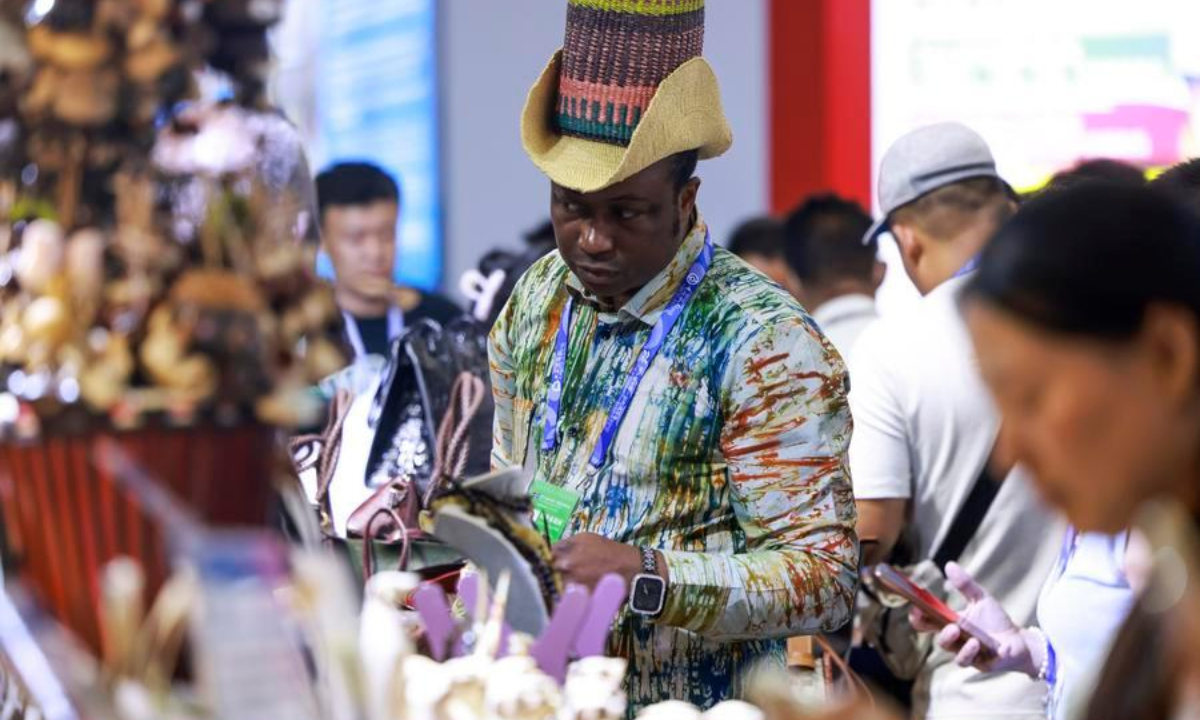
The world is changing, and the transition toward a more multipolar international order is becoming increasingly evident. The Global South is no longer a passive participant in world affairs. Its countries are exercising greater strategic autonomy, making decisions according to their own national interests, development priorities and the aspirations of their people. In China, developing countries have found a true friend and good partner.
Editor's note: Maya Majueran serves as the director of the Belt and Road Initiative Sri Lanka, an independent and pioneering organization with strong expertise in Belt and Road Initiative advice and support.
。 为回馈广大购彩者对天津福利彩票的支持与厚爱,天津市福利彩票发行中心将开展2026年度“即开票奖上奖”活动。具体详情如下:一、活动时间赠票活动自2026年7月20日0点至2026年8月2日24点。活动最后一天如赠票资金仍有结余,则顺延至赠票资金使用完毕当天结束;如活动尚未到期而赠票资金已使用完毕,活动当天结束。二、活动地点天津全市所有销售场所(多媒体智能终端、手持终端不参与)三、活动资金赠票资金160万元。四、活动内容1、活动期间,购彩者中得福彩刮刮乐单张50元(含)以上奖金的,在销售场所兑奖后获赠6元机选单式3注双色球电脑票;2、活动期间,购彩者中得福彩刮刮乐单张100元(含)以上奖金的,在销售场所兑奖后获赠12元机选单式3注两倍双色球电脑票;3、活动期间,购彩者中得福彩刮刮乐单张500元(含)以上奖金的,在销售场所兑奖后获赠112元机选8+2复式双色球电脑票;4、活动期间,购彩者中得福彩刮刮乐单张1000元(含)以上奖金的,在销售场所兑奖后获赠336元机选8+6复式双色球电脑票;5、上述赠票不兼中兼得。五、注意事项1、购彩者中得相应奖级后,未在活动期间内兑取中奖奖金视为放弃本次活动参与资格。

B | 2、赠票不可折现。领取赠票后,赠票所有权即归获得者所有。

C | 六、本活动最终解释权归天津市福利彩票发行中心所有。天津市福利彩票发行中心
2026年7月20日。
Current article:http://www.jiubengtaibingpengou.pics/paj/6s298r.docx
Published on:19:34:11
猩球崛起_Random reading
- 08-20Blink-182 announces Travis Barker's return home due to "urgent family matter," postpones European tour
- 08-23“大器”辽宁 攀高向新
- 08-22易行宝扣费比人工通道还贵欺客
- 08-22Chinese FM urges Japan's leaders to heed calls from Japanese lawmakers for improving bilateral ties
- 08-21WAIC 上的推理芯片:爱芯元智的元曦系列
- 08-24AI如何真正成为企业生产力?构建坚实的数字基座是关键
- 08-22“福彩相伴·喜耀全城”——温州福彩即开票试刮擂台赛圆满结束
- 08-25厦航新开两条国际航线 9月可直飞伦敦和沙巴
- 08-22‘달러 대 달러’ 캐나다의 반격… 美 중간선거 겨냥 핀셋 관세
- 08-268歳男児を山中に置き去りか 母親と母親の交際相手を逮捕 いたずら懲らしめるために置き去りか…男児がキャンプ場に助け求め発覚

主君的太阳_Active users
- 全球风暴再起!亚太股市集体回调!贝森特释放关键信号
- 名宿声明:FIFA现任管理层治下的足球运动正在背离其核心价值观
- 顺丰被曝变相降薪:月薪15%划为季度绩效
- 机构今日买入招金黄金等14股,卖出湖南白银2.58亿元
- 财政部、应急管理部再次预拨6000万元中央自然灾害救灾资金
- 火箭媒体人:申京&KD&格林极端球迷太过分 饭圈文化是种病
- 上海通报闵行区一单位发生火灾:火势已扑灭,无人员伤亡
- Takaichi reportedly mulls skipping visit to notorious Yasukuni Shrine on anniversary of WWII surrender; experts see political maneuvering, not historical remorse
- 从事虚假证券交易 男子被判坐牢四周
- 第二十一届海峡两岸(三明)林业博览会开幕
- 抚顺市正在整治这类违法行为!举报电话→
- UK can help SL on terror attack
- 台工商产业界冀两岸往来顺畅 国台办指“民心所向”
- 美股大型科技股盘前多数上涨,英伟达涨超1%
- 宝信软件:公司董事、高级管理人员王剑虎离任
- 昆明国资入局,携手时代电服落地百座巧克力换电站
- Why China's favorability is rising across the Global South
- 槐荫城管:精心管理城市,真情服务民生
尼基塔第三季_Hottest this week
- 08-242026杭州股票开户本地办理指南:时效规则与成本优化技巧
- 08-21泰宁:古建研学赓续文脉
- 08-22微信年度数据被询问监控聊天,腾讯回应
- 08-22大乐透26078期开5注一等奖
- 08-21湖南通报5起招标投标领域腐败问题典型案例
- 08-24高通:如果没有我们的技术,苹果的iPhone将不复存在。
- 08-20我国道交法修订草案出炉:开车玩手机最高可处500元罚款 并可暂扣三个月驾驶证
- 08-22爱在枪火中重燃《全球使命3》七夕淘礼嗨不停
- 余罪 copyright
- Some of the content comes from the Internet. If you have any offence, please raise it.